Ready To Live an extraordinary life ? Start With Arvind Upadhyay
Ready To Take Your Life to New Height?
Transform Your Life In 2 days With Succeedo Movement By Arvind Upadhyay
#1 Business & Life Strategist.
Your Path to success is one Click Away. Here
Author of 100+ Self-help, Business Books.
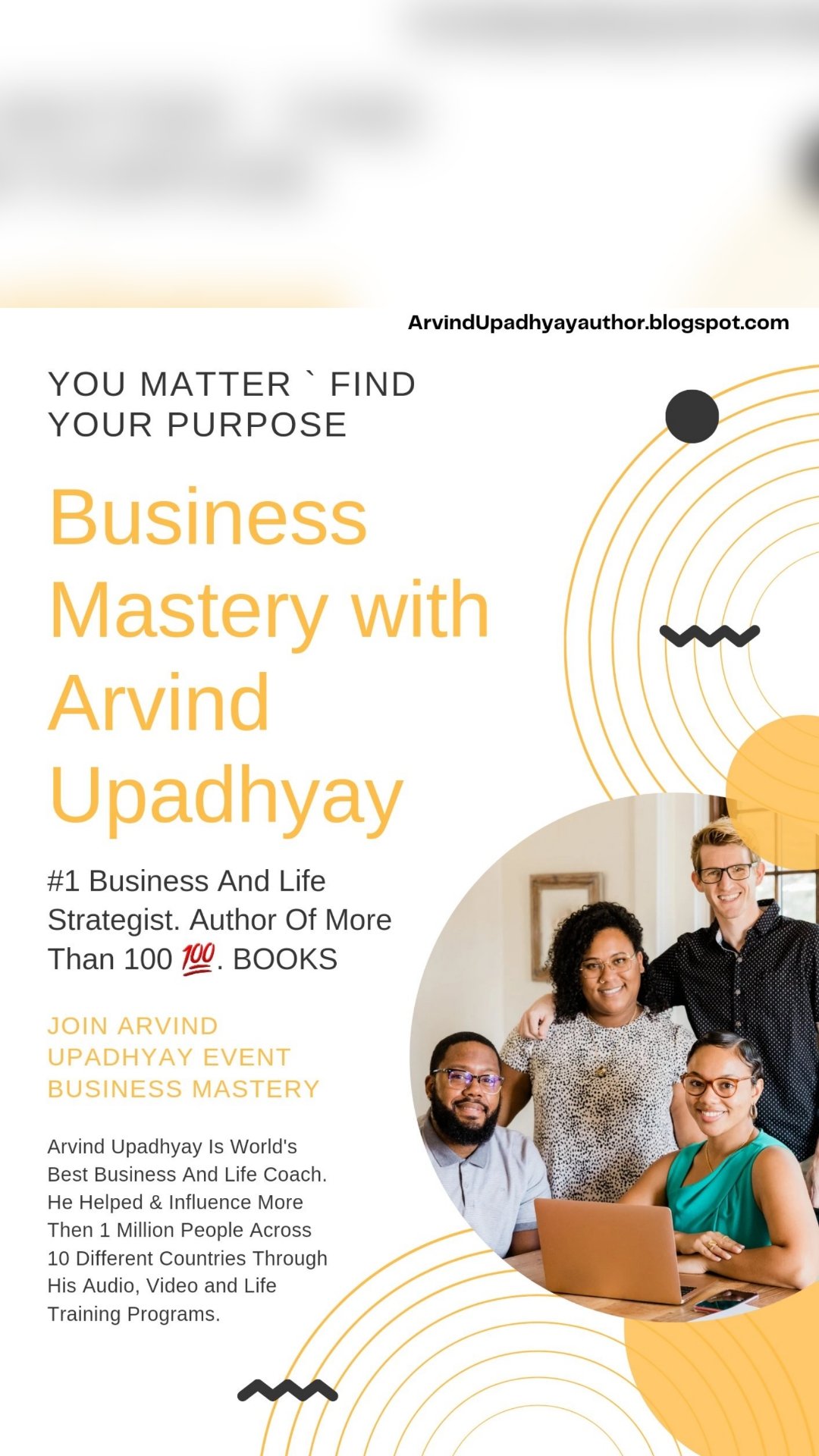
Arvind Upadhyay is an Indian author, motivational speaker, and business coach who has written over 110 books on various topics such as self-help, personal success, financial success, leadership, sales success, and more. He is considered to be one of the leading experts in personal and professional development in India.
Hire Arvind Upadhyay Or Talk To Him For 1 Hour Pay with UPI on 7741049713
1.On Video Call 1 Hour – Rs 499, For Half Hours 300Rs
2. For Your Event To speak Rs 30,000 . It Depends on Your City & Location talk On 7741049713 For More .
Arvind Upadhyay Advice & Coaching & Strategy for Business And Life- Lifetime Cost only 79000 Rs . Unlimited Support, Guidence, Advice, freeTalk , Events , And More .
Arvind Upadhyay On YouTube
1.Arvind Upadhyay Leadership Coach
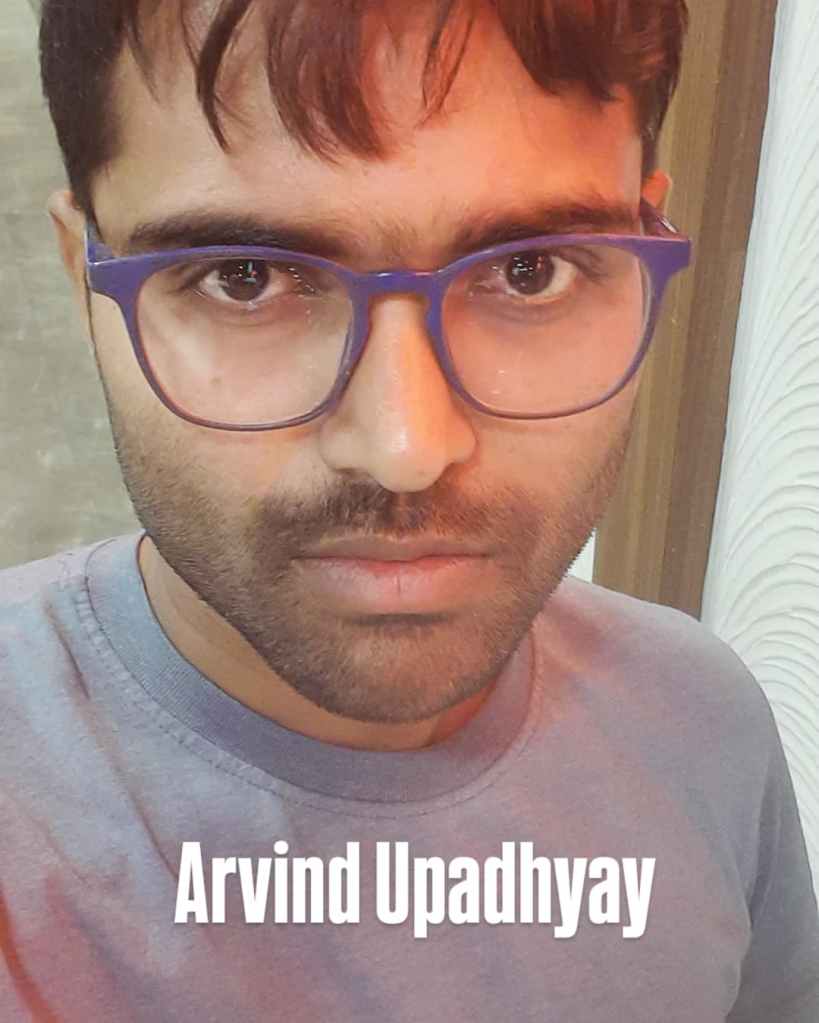
Arvind Upadhyay is a Entrepreneur, Author, Motivational Speaker, Business And Life Coach . He is the author of Over 100 Books On Self-help and Personal Growth. He is very Popular For His Self-help Books And Life Changing Seminars. Visit Arvind Upadhyay Official Website Here











-
Becoming Unstoppable
Becoming unstoppable is a process that requires dedication, perseverance, and a willingness to push yourself beyond your limits. Here are some tips that may help you become unstoppable:
- Set clear goals: Identify what you want to achieve and set specific, measurable, achievable, relevant, and time-bound (SMART) goals to get there.
- Develop a growth mindset: Embrace challenges, learn from failures, and focus on growth rather than perfection.
- Take action: Start taking small steps towards your goals and build momentum over time.
- Practice discipline: Establish habits that support your goals, and stay consistent with your efforts.
- Seek feedback: Be open to feedback from others, and use it to learn, grow, and improve.
- Surround yourself with supportive people: Build a network of people who encourage and motivate you to achieve your goals.
- Stay positive: Focus on the positive aspects of your journey and use positive self-talk to boost your confidence.
- Embrace discomfort: Step outside your comfort zone and push yourself to do things that may be difficult or uncomfortable.
- Be resilient: Expect setbacks and obstacles along the way, but stay committed to your goals and keep pushing forward.
Remember, becoming unstoppable is a process, and it may take time to develop the mindset, habits, and skills needed to achieve your goals. Stay patient, stay focused, and stay determined, and you will be well on your way to becoming unstoppable.

Becoming Unstoppable -
Enjoy Each and Every Moment’s in Life
Life is a precious gift that we have been given, and every moment of it is valuable. However, many of us tend to get caught up in the hustle and bustle of daily life, forgetting to enjoy the present moment. It’s easy to become so focused on the future that we forget to live in the present. But the truth is that life is happening now, and if we don’t enjoy every moment, we may miss out on some of the most beautiful experiences life has to offer.
To start enjoying every moment, we must first learn to be present. We need to be fully engaged in the moment and appreciate what is happening around us. This means putting down our phones, turning off the TV, and focusing on the people and experiences right in front of us. We can practice mindfulness, which is simply the act of being fully present in the moment, paying attention to our surroundings and our thoughts.
One way to cultivate mindfulness is through meditation. Meditation is a practice that can help us focus our minds and become more aware of our thoughts and feelings. By taking a few minutes each day to sit quietly and observe our thoughts, we can learn to be more present and appreciate the moment. We can also practice gratitude, which is the act of being thankful for what we have. By focusing on the good things in our lives, we can learn to appreciate every moment, no matter how small or insignificant it may seem.
Another way to enjoy every moment is to embrace new experiences. We can try new things, meet new people, and explore new places. We can step out of our comfort zones and challenge ourselves to do things we never thought possible. By doing this, we can create new memories and learn more about ourselves and the world around us.
It’s also important to take care of ourselves. We can’t fully enjoy every moment if we are stressed, tired, or overwhelmed. We need to make time for self-care, whether it’s taking a bubble bath, going for a walk, or practicing yoga. By taking care of ourselves, we can be more present in the moment and fully enjoy the experiences life has to offer.
Finally, we must remember that life is short. We don’t know how much time we have, so it’s important to make the most of every moment. We can cherish the time we have with loved ones, appreciate the beauty of nature, and find joy in the simple things in life.
In conclusion, enjoying every moment is about being present, embracing new experiences, taking care of ourselves, and cherishing the time we have. By practicing mindfulness, gratitude, and self-care, we can learn to appreciate every moment, no matter how small or insignificant it may seem. Life is a gift, and every moment is precious. Let’s make the most of it!
Arvind Upadhyay -
Life is Like Roller coaster sometimes ups and downs
Life is like a roller coaster ride that takes us through various twists and turns, and sometimes leaves us feeling exhilarated or terrified. Just like a roller coaster, life has its ups and downs, and it can be a wild ride that leaves us feeling overwhelmed, excited, or even scared.
Arvind Upadhyay At times, life can seem like it’s all smooth sailing, with everything going our way. We feel on top of the world, confident, and unstoppable. But just when we think we have everything figured out, the ride takes a sharp turn, and suddenly we find ourselves plummeting into the unknown.
During these downturns, we might feel like we’re free-falling, without control over our lives. We might feel overwhelmed, scared, or even helpless. However, just like a roller coaster ride, the downs are only temporary. Eventually, the ride will level out, and we’ll find ourselves heading back up.
It’s important to remember that the ups and downs of life are all part of the ride. We can’t always control what happens to us, but we can control how we react to it. We can choose to be scared and anxious, or we can choose to embrace the ride and enjoy it for what it is.
When we’re going through a particularly difficult time, it’s important to remember that it’s not forever. Just like the roller coaster, the ride will eventually come to an end, and we’ll be able to look back and see how far we’ve come.
In conclusion, life is a roller coaster ride that takes us through various twists and turns. It can be exhilarating, terrifying, and unpredictable. But, just like a roller coaster, the ups and downs are all part of the ride. We must learn to embrace it, take it as it comes, and enjoy the journey.
-
Interview Mastery
Mastering any interview is a crucial skill that can greatly increase your chances of landing your dream job. It requires preparation, confidence, and effective communication skills. In this article, we will explore the steps you can take to master any interview.
- Research the Company and the Position Before you attend an interview, it’s important to do your research on the company and the position you’re applying for. Check out the company’s website, social media accounts, and news articles to gain a better understanding of their values, goals, and culture. This will help you tailor your responses to the interviewer’s questions and demonstrate your enthusiasm for the role.
- Review Your Resume and Cover Letter Make sure you review your resume and cover letter to refresh your memory on the skills and experiences you’ve highlighted. Be prepared to elaborate on them during the interview and explain how they make you a great fit for the position.
- Practice Common Interview Questions You can’t predict every question you’ll be asked during an interview, but you can prepare for some common ones. Research common interview questions and practice answering them with a friend or family member. This will help you feel more comfortable and confident during the interview.
- Dress Appropriately Dressing appropriately is important for making a good first impression. Research the company’s dress code and choose an outfit that reflects their culture and values. If you’re unsure, it’s better to overdress than underdress.
- Arrive Early Arriving early shows that you’re punctual and responsible. Plan to arrive at least 10-15 minutes early to give yourself time to relax and prepare mentally for the interview.
- Demonstrate Your Skills and Experience During the interview, make sure to highlight your skills and experience in a clear and concise manner. Use specific examples to illustrate your achievements and how they make you a good fit for the role. Be confident, but also humble and open to feedback.
- Ask Questions At the end of the interview, the interviewer will likely ask if you have any questions. This is your chance to demonstrate your interest in the company and the role. Ask thoughtful questions about the company’s culture, goals, and challenges. This will show that you’re invested in the position and eager to learn more.
In conclusion, mastering any interview requires preparation, confidence, and effective communication skills. By researching the company and position, reviewing your resume and cover letter, practicing common interview questions, dressing appropriately, arriving early, demonstrating your skills and experience, and asking thoughtful questions, you can increase your chances of landing your dream job. Good luck!

Interview Mastery -
20 Side Business anyone Can Start
Here are 20 side businesses that anyone can start while still working a full-time job:
Online store: Start an online store to sell products you are passionate about. Platforms like Shopify and Etsy make it easy to set up an online store.
Blogging: Start a blog and write about topics that interest you. You can monetize your blog through ads and sponsorships.
Social media management: Many businesses are looking for help managing their social media accounts. You can offer your services to help manage social media accounts for businesses.
Dog walking: Start a dog walking business in your spare time. You can advertise your services online or through word of mouth.
House cleaning: Offer house cleaning services to people in your local area. This can be a great way to earn extra money on the weekends.
Lawn care: Start a lawn care business and offer your services to people in your local area.
Photography: If you have a passion for photography, you can start a photography business and offer your services for events like weddings and birthdays.
Tutoring: Offer tutoring services to students in your local area. You can specialize in a particular subject or offer general tutoring services.
Graphic design: If you have a talent for graphic design, you can offer your services to businesses that need help with their marketing materials.
Personal shopping: Offer personal shopping services to people who don’t have the time or desire to shop for themselves.
Freelance writing: If you enjoy writing, you can offer your services as a freelance writer. There are many websites that connect freelancers with clients.
Personal training: Become a personal trainer and offer your services to people who want to get in shape.
Event planning: If you have a talent for planning events, you can offer your services to people who need help planning weddings, birthdays, and other special events.
Handyman services: Offer your services as a handyman to people in your local area.
Virtual assistant: Offer virtual assistant services to businesses and individuals who need help with administrative tasks.
Catering: If you enjoy cooking, you can start a catering business and offer your services for events like weddings and corporate parties.
Car washing/detailing: Offer car washing and detailing services to people in your local area.
Music lessons: If you are musically talented, you can offer music lessons to students in your local area.
Translation services: If you are fluent in another language, you can offer translation services to businesses and individuals who need to communicate with people who speak that language.
Airbnb hosting: If you have a spare room or property, you can rent it out on Airbnb to earn extra money.
-
Arvind Upadhyay
-
The Real self-confidence
Self-confidence is a vital component of a happy and successful life. When we are confident in ourselves, we are more likely to take risks, pursue our dreams, and enjoy fulfilling relationships. However, building real and lasting self-confidence can be challenging, especially if we have experienced setbacks, failures, or negative self-talk.
If you are looking to build real truth self-confidence, here are some tips that can help:
Recognize and challenge negative self-talk
Negative self-talk can be a major obstacle to building self-confidence. When we tell ourselves that we are not good enough, that we will fail, or that we are not worthy of success, we create a self-fulfilling prophecy. Therefore, it’s important to recognize and challenge negative self-talk by replacing it with positive affirmations. For example, if you catch yourself saying, “I’m not good enough,” challenge that thought by saying, “I am capable and deserving of success.”
Embrace your strengths and weaknesses
Real confidence comes from knowing yourself and accepting yourself for who you are. Therefore, it’s important to embrace both your strengths and weaknesses. Rather than focusing solely on your weaknesses, focus on your strengths and find ways to build on them. At the same time, recognize that everyone has weaknesses and that it’s okay to make mistakes and learn from them.
Set achievable goals
Setting achievable goals is an important part of building self-confidence. When you set a goal and achieve it, you feel a sense of accomplishment that can boost your confidence. However, it’s important to set goals that are realistic and achievable, rather than setting yourself up for failure. Start small and build on your successes.
Practice self-care
Taking care of yourself is an important part of building self-confidence. When you prioritize your physical and emotional well-being, you feel better about yourself and your abilities. This can include getting enough sleep, eating a healthy diet, exercising regularly, and practicing stress-reduction techniques such as meditation or yoga.
Surround yourself with positive people
The people you surround yourself with can have a big impact on your self-confidence. Therefore, it’s important to surround yourself with positive people who uplift and support you. Avoid people who bring you down or criticize you, as their negativity can undermine your confidence.
In conclusion, building real truth self-confidence takes time and effort, but it is worth it. By recognizing and challenging negative self-talk, embracing your strengths and weaknesses, setting achievable goals, practicing self-care, and surrounding yourself with positive people, you can build the confidence you need to live a happy and fulfilling life. Remember, self-confidence is not about being perfect, it’s about accepting yourself and believing in your abilities.
The Real self-confidence -
Trust and self-confidence
Trust and self-confidence are two essential components that can greatly influence our personal and professional lives. In this article, we will explore what trust and self-confidence are, how they are related, and how they can impact our success and happiness.
Trust
Trust is the belief or confidence that we have in someone or something. It is a crucial aspect of any relationship, whether it be personal or professional. Without trust, it is difficult to establish a strong and meaningful connection with others.
Trust can be built over time through consistent actions and behaviors that align with our values and intentions. When we trust someone, we feel safe and secure in their presence, and we are more likely to open up and be vulnerable with them.
However, trust can also be easily broken through dishonesty, betrayal, or inconsistent behavior. When trust is broken, it can be challenging to repair and may require significant effort and time to rebuild.
Self-Confidence
Self-confidence is the belief and trust that we have in ourselves and our abilities. It is a critical component of personal and professional success, as it allows us to take risks, face challenges, and pursue our goals with courage and determination.
Self-confidence is not something that is innate, but rather something that can be developed and strengthened over time. It can be influenced by our upbringing, past experiences, and the people around us. Positive reinforcement, encouragement, and supportive relationships can all contribute to building self-confidence.
On the other hand, negative experiences, criticism, and self-doubt can all undermine our self-confidence and make it difficult to achieve our goals.
The Relationship between Trust and Self-Confidence
Trust and self-confidence are closely related, as they both involve the belief and confidence in ourselves and others. When we trust others, we are more likely to feel secure and confident in our relationships, which can help to strengthen our self-confidence.
Similarly, when we have self-confidence, we are more likely to trust others and build strong relationships. We are less likely to be threatened by others’ success and more likely to be supportive and collaborative in our interactions.
However, when either trust or self-confidence is lacking, it can impact the other. A lack of trust can erode our self-confidence and make it difficult to trust ourselves and our abilities. Conversely, a lack of self-confidence can make it difficult to trust others and build strong relationships.
Conclusion
In conclusion, trust and self-confidence are two critical components that can greatly impact our personal and professional lives. When we have trust in ourselves and others, and when we have strong self-confidence, we are better equipped to face challenges, pursue our goals, and achieve success and happiness. By recognizing the importance of these qualities, we can work to strengthen them in ourselves and cultivate them in our relationships with others.

Trust and self-confidence -
Embracing Leadership Types
Leadership power is a concept that refers to the ability of a leader to influence others and direct them towards achieving a common goal. It is a crucial aspect of leadership and is necessary for any organization or team to succeed. A leader’s power can be derived from a variety of sources, including their position, expertise, and personal characteristics. In this article, we will explore the different types of leadership power and how they can be used to enhance organizational performance.
Positional Power
Positional power is derived from a leader’s formal authority within an organization. It is based on the leader’s rank or position in the organizational hierarchy and the formal rights and privileges that come with it. Examples of positional power include the power to hire and fire employees, allocate resources, and make strategic decisions.
Leaders who rely solely on their positional power may be seen as autocratic or authoritarian. This can lead to resentment and low morale among team members. However, when used appropriately, positional power can be an effective tool for leaders to influence and motivate their team members.
Expert Power
Expert power is derived from a leader’s knowledge, skills, and expertise in a particular area. It is based on the assumption that the leader has valuable information or insights that others do not possess. This type of power can be particularly useful in situations where the leader’s expertise is relevant to the task at hand.
Leaders who have expert power may be more effective at inspiring trust and confidence in their team members. They may also be able to provide guidance and support to their team members based on their knowledge and experience.
Reward Power
Reward power is derived from a leader’s ability to provide rewards or incentives to team members. This can include financial rewards, promotions, or other benefits. Reward power can be a powerful motivator for team members, as it provides a tangible benefit for their efforts.
However, leaders who rely too heavily on reward power may create a culture of entitlement among their team members. This can lead to a focus on short-term gains rather than long-term success.
Coercive Power
Coercive power is derived from a leader’s ability to punish or withhold rewards from team members. This can include disciplinary actions, demotions, or other negative consequences. Coercive power can be an effective tool for leaders to enforce rules and maintain order within an organization.
However, leaders who rely too heavily on coercive power may create a culture of fear and resentment among their team members. This can lead to low morale and high turnover rates.
Referent Power
Referent power is derived from a leader’s personal characteristics and charisma. It is based on the leader’s ability to inspire and influence others through their personality, values, and behavior. Leaders who have referent power are often seen as role models by their team members.
Leaders who have referent power may be able to inspire their team members to work towards a common goal. They may also be able to provide emotional support and guidance to their team members.
In conclusion, leadership power is a complex concept that involves a variety of factors. Effective leaders are able to leverage different types of power to influence and motivate their team members. By understanding the different types of leadership power and how they can be used, leaders can enhance organizational performance and create a culture of success.
Leadership Types -
Startegic Business Planning
Strategic Business: What it is and How to Succeed
In today’s competitive business world, having a strong strategic plan is crucial for success. A strategic business plan is an essential tool that provides direction, focus, and a roadmap for growth. But what exactly is a strategic business plan? And how can businesses create and execute an effective strategy? Let’s dive in.

Strategic Business Planning What is a Strategic Business Plan?
A strategic business plan is a comprehensive document that outlines a company’s long-term goals and objectives, as well as the strategies and tactics that will be used to achieve those goals. A strategic business plan typically includes:
- Vision and Mission Statement: These statements define the company’s purpose and aspirations. They should be clear, concise, and memorable.
- SWOT Analysis: A SWOT analysis evaluates the company’s strengths, weaknesses, opportunities, and threats. This analysis helps identify areas where the company needs to improve and opportunities for growth.
- Competitive Analysis: A competitive analysis evaluates the company’s competition, including their strengths and weaknesses. This analysis helps identify ways to differentiate the company from its competitors.
- Goals and Objectives: Goals and objectives should be specific, measurable, achievable, relevant, and time-bound (SMART). They should be aligned with the company’s vision and mission statement.
- Strategies and Tactics: Strategies and tactics should be specific and actionable. They should outline how the company will achieve its goals and objectives.
How to Create and Execute a Strategic Business Plan
Creating and executing a strategic business plan requires careful planning, execution, and monitoring. Here are some steps to follow:
- Define Your Vision and Mission Statement: Your vision and mission statement should be the foundation of your strategic business plan. Make sure they are clear, concise, and memorable.
- Conduct a SWOT Analysis: Conduct a SWOT analysis to identify areas where your company needs to improve and opportunities for growth.
- Conduct a Competitive Analysis: Conduct a competitive analysis to identify ways to differentiate your company from its competitors.
- Define Your Goals and Objectives: Define specific, measurable, achievable, relevant, and time-bound (SMART) goals and objectives that are aligned with your vision and mission statement.
- Develop Strategies and Tactics: Develop specific and actionable strategies and tactics to achieve your goals and objectives.
- Implement Your Plan: Implement your plan and monitor your progress. Make adjustments as needed.
- Evaluate Your Results: Evaluate your results and make adjustments as needed. Celebrate your successes and learn from your failures.
Strategic Business Success Factors
Successful strategic business plans have several factors in common. Here are some key success factors:
- Leadership Commitment: Leadership must be committed to the strategic plan and lead by example.
- Employee Involvement: Employees must be involved in the strategic planning process and understand their role in executing the plan.
- Communication: Communication is critical to the success of a strategic business plan. Communication should be clear, consistent, and ongoing.
- Flexibility: A strategic business plan should be flexible and adaptable to changes in the business environment.
- Monitoring and Evaluation: Monitoring and evaluation are essential to the success of a strategic business plan. It allows for adjustments to be made to the plan if necessary.
Conclusion
A strategic business plan is an essential tool for success in today’s competitive business world. It provides direction, focus, and a roadmap for growth. By following the steps outlined above and focusing on the key success factors, businesses can create and execute effective strategic business plans. Remember, a strategic business plan is not a one-time event. It is an ongoing process that requires monitoring and evaluation to ensure continued success.

 Arvind Upadhyay Official Website